A Shared Meal or a Tray of Tea: Two Ways to Receive a Guest
Choose a shared meal or tray of tea to suit your guest’s time, appetite, and occasion, making the welcome easier to accept and the visit more comfortable.

The common mistake in choosing a shared meal or tray of tea is treating them as interchangeable signs of generosity. A meal gathers guests around food; tea can welcome someone whose visit needs a shorter or more flexible shape. The choice affects how long people stay and how comfortably they can take part.
Two forms of welcome
Neither form has one fixed meaning across Eastern households or cultures. Customs vary by family, region, faith, and occasion. In practical terms, a meal creates a shared event with food at its center, while tea can fit around conversation, staggered arrivals, or other obligations.
Ask what the gathering needs to do. Is it meant to bring a group together, offer a quiet pause, or welcome someone who cannot stay long? The serving choice can make that intention clear before anyone says a word.
A meal sets the pace
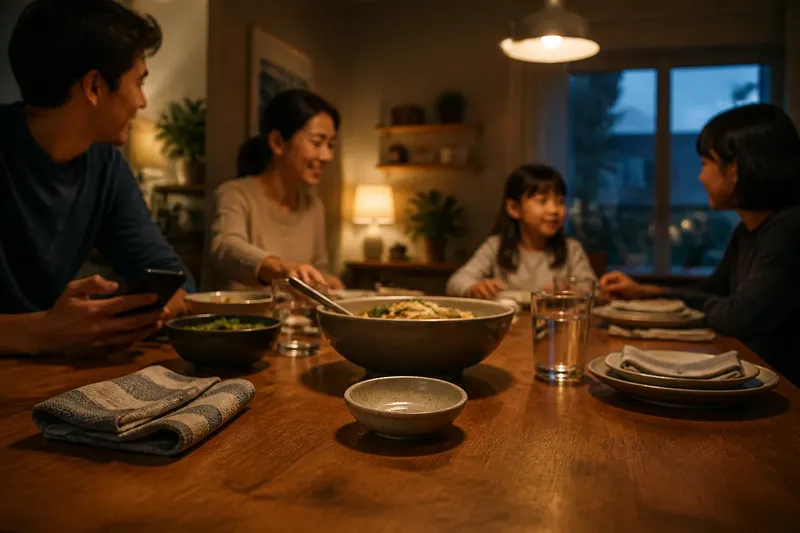
A meal gives a gathering a common rhythm. People sit, share or receive food, and make time for one another. Eating offers a natural reason to pause and stay together, turning separate conversations into one occasion.
Guests might pass bowls, offer food to someone nearby, or help clear a dish when the household welcomes that. But a host should not assume everyone wants to serve themselves or assist. Some guests prefer to be looked after; others may have dietary needs that make a large shared spread difficult.
A meal also asks for more coordination. Guests may need to plan around a serving time, and the host must consider food, seating, and the order of service. A direct invitation—“Join us for supper if you’re free; no need to bring anything”—makes the offer easier to read and less formal.
Tea leaves room
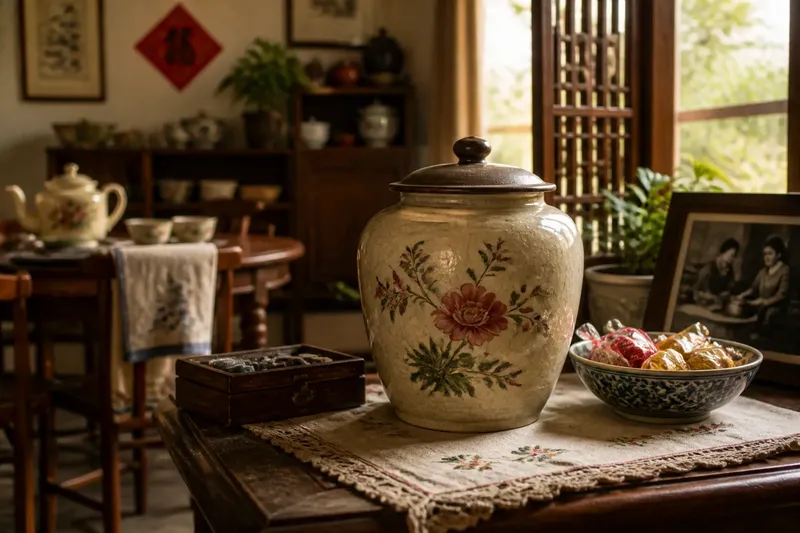
A tray of tea can welcome someone without requiring a full meal or a long stay. A kettle, teapot, cups, and a small plate of dates, biscuits, or fruit give a visit a center while leaving its length open. Tea may be served at a table or carried to a sitting room, depending on the household’s customs and space.
Pouring another cup can extend a conversation; letting the pot rest can allow it to wind down without an abrupt announcement. Guests can accept, decline, or ask for another cup. A warm offer feels different from placing a cup silently in front of someone who has not asked for one.
Tea is not automatically casual. In some households, its preparation and presentation carry careful social meaning. The vessel, the way it is offered, and who pours may all matter. A simple service can feel attentive without asking guests to stay for a full meal.
Match service to visit
Start with the guest’s likely circumstances, not an abstract idea of what a “proper” host should do. Consider how long the person can stay, whether people are arriving together, and whether the visit marks an occasion. Use those observations to decide what to offer:
- Guests can stay and arrive together: If they have time to share a full occasion, offer a meal; if their schedules are uncertain, offer tea and name a meal time only if it suits everyone.
- A guest has a brief window: If they can stop only briefly, offer tea and a small snack; if they have time to eat, ask whether they would prefer to stay for a meal.
- People will arrive at different times: If arrivals are staggered, keep tea available as they come and go; if everyone can gather at a set time, serve a meal then.
- Appetite or dietary needs are uncertain: If you do not know what the guest can eat, ask before preparing a shared spread; if you cannot check, offer tea, water, and clearly described snacks they can choose to accept or decline.
- The visit marks a family occasion: If you know the household’s custom, follow it; if you do not, ask a trusted family member whether a meal or tea is the expected welcome.
- The guest’s plans may change: If they may need to leave early, begin with tea and say a meal is available later; if they can stay, invite them to join the meal without making it an obligation.
Say a relative is expected between errands, with a short visit planned and no known food restrictions. Offer tea and fruit, and explain that dinner is later if their schedule opens up. The relative can enjoy the visit without explaining a departure; if time allows, they can choose to stay, while the host keeps the meal invitation clear rather than assuming it has been accepted.
How should hosts choose?
Does tea mean a short visit?
Not necessarily. Tea can accompany a long conversation, especially where refills are part of the household’s way of hosting. The invitation and the guest’s schedule offer better clues than the drink alone.
Is a meal always more generous?
No. Generosity depends on whether the offer suits the people present. A thoughtfully served cup of tea may be more considerate than a meal a guest cannot comfortably join.
Can a host offer both?
Yes, if the sequence feels natural and the guest understands the plan. Tea before a meal can welcome early arrivals, while tea afterward can extend conversation without another course.
What if a guest declines?
Accept the answer without pressing, then offer a comfortable alternative such as water. A refusal may reflect timing, appetite, preference, or personal practice rather than a judgment of the host.
Let service speak
A shared meal or tray of tea is not a ranking of hospitality. It is a choice about pace and participation. A meal invites people to make time together; tea offers room for a visit to take the shape the guest can manage.
Say what food is being served, make room for guests to decline, and explain whether help is wanted instead of assuming. If customs differ within a household, ask someone trusted what feels appropriate for the occasion. Choosing a shared meal or tray of tea to fit the visit makes the welcome easier to accept—and gives the guest room to respond comfortably.